Features
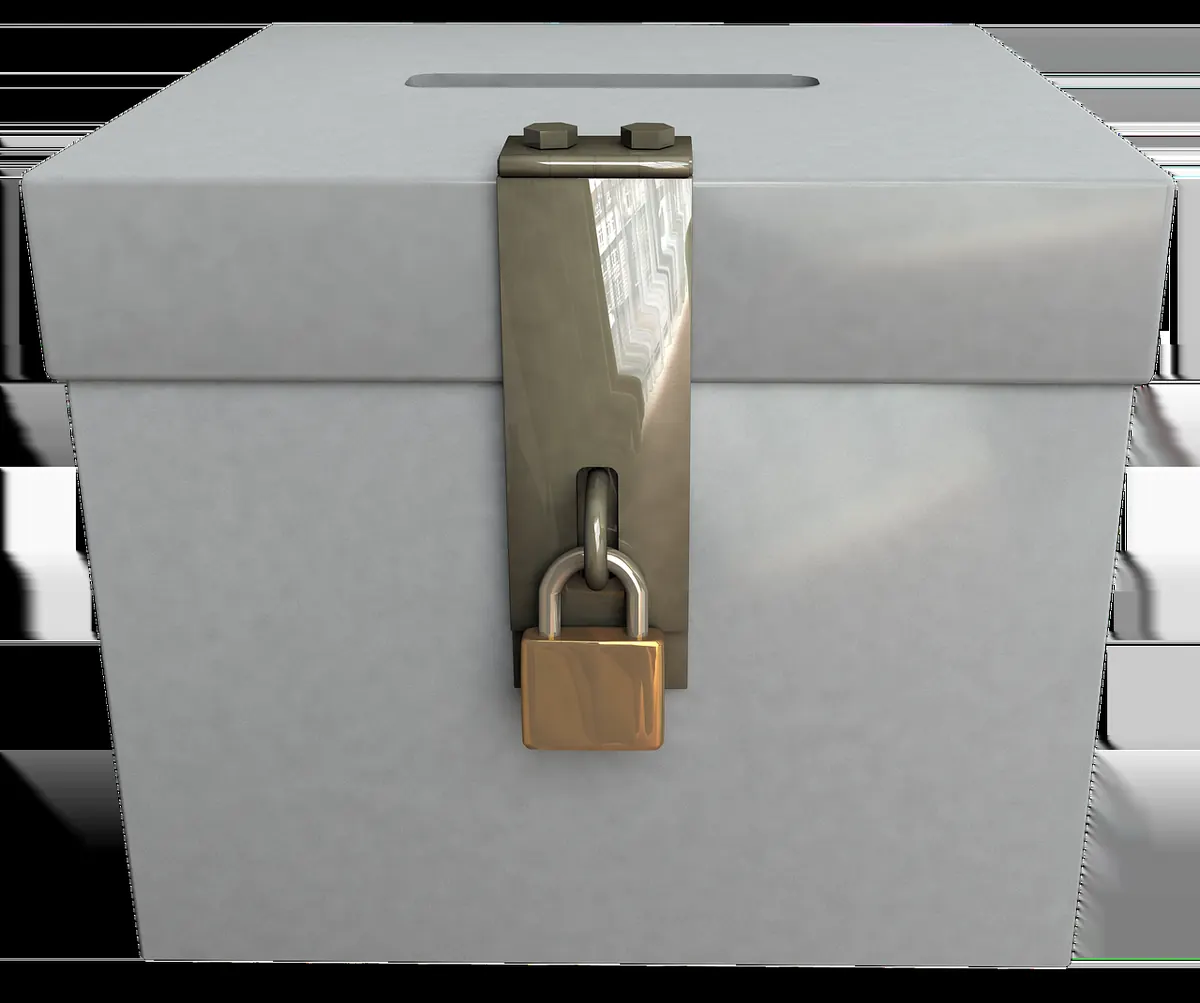
Beginner's Guide to Reading Political Polls Without Getting Fooled
Every election season a new poll lands, and the internet loses its mind. One candidate is surging. Another is finished. Then a second poll shows the opposite, and the same people announce that polling is broken and nobody knows anything. Both reactions skip the same step: actually reading the poll.
Polls are a measurement tool, and measurements have limits. Once you know which details matter and which are noise, you can look at a survey and know within about thirty seconds how much weight to give it. Here is the version of that skill you can use today.
Start With the Question, Not the Number
The headline number is the last thing you should look at. First find out what was asked. "Who would you vote for if the election were held today" is a horse-race question. "Which candidate do you trust more on the economy" is a different thing entirely, and a candidate can lead one and trail the other without contradiction.
Wording matters too. Small changes — "do you support" versus "do you lean toward," or naming a third-party candidate who may or may not appear on the ballot — move results. So does the order of questions, because a question about a scandal placed right before a vote question will color the answer. If the poll's actual wording isn't published, treat the number as marketing.
Sample Size and the Margin of Error
A poll of roughly a thousand people usually carries a margin of error of about three percentage points for the full sample. That phrase gets abused constantly. It does not mean the result is wrong by up to three points; it means that if you repeated the same survey many times, most results would land within that band.
Two practical consequences follow. First, a lead smaller than the margin is not a lead. If a poll shows 47 to 45 with a three-point margin, those candidates are tied, full stop. Reporting that as a two-point advantage is a choice, not a finding.
Second, margins get much bigger for subgroups. That same poll of a thousand people might contain 120 voters under 30. The margin on that group is enormous — often in the range of nine or ten points. Any story built on a subgroup number should be read with deep suspicion, no matter how confident the chart looks.
Weighting: The Math You Don't See
Pollsters rarely get a sample that looks like the electorate by accident. Online panels skew younger, landline samples skew older, and response rates vary by education and interest. So pollsters weight: they adjust the data so the mix of respondents matches what they know about the population on age, race, education, region, and sometimes past voting.
Weighting is where a lot of disagreement between polls is born. Two pollsters can interview similar people and publish different results because one weights for education and the other doesn't, or because one assumes a younger electorate than the other. None of that is fraud. It is judgment, and judgment is why you should read the methodology page of any pollster you plan to trust repeatedly.
Adults, Registered Voters, or Likely Voters?
This single distinction explains a surprising share of confusing headlines. A poll of all adults measures public opinion. A poll of registered voters gets closer to an electorate. A poll of likely voters tries to guess who will actually show up.
Each has a use, and each has a failure mode. Tight screens — asking about enthusiasm, attention, and past turnout — can screen out first-time and low-propensity voters, who sometimes show up in force. Loose screens can include plenty of people who tell a pollster what they'd like to do and then stay home. A poll's choice here is a model of the electorate, not a fact about it, and different models produce different leads from the same raw data.
Why Two Polls of the Same Race Disagree
When you see contradictory polls, run down this list before assuming something is rigged:
- Different populations. Adults versus registered versus likely voters can shift several points on its own.
- Different weighting. Different assumptions about the electorate, different answers.
- Different timing. A poll taken before a debate isn't comparable to one taken after it.
- Different methods. Live phone calls, automated calls, online panels, and text surveys reach different people and produce different response patterns.
- House effects. Most firms have a small, fairly consistent lean. It is usually explainable and usually not sinister.
- Plain randomness. Two polls of the same race, taken the same week, should not be expected to match exactly.
If a race is close, contradictory polls are not a scandal. They are what close looks like.
A Five-Minute Checklist
Next time a poll crosses your feed, do this in order:
- Who paid for it, and who conducted it?
- What are the field dates? Did anything big happen in between?
- Who was surveyed — adults, registered voters, likely voters?
- What is the sample size and margin of error for the specific number being quoted?
- Is this an outlier, or does it match the recent trend from other pollsters?
If you can answer all five, you already know more than most of the commentary you'll read about it.
How to Use Polls Without Being Fooled
Stop treating any single survey as a prediction. It is a snapshot of a moment, with error bars attached, taken by people making judgment calls about who counts. An average of several reputable polls from the same period is steadier and less dramatic than any one of them, which is exactly why you rarely see averages go viral.
Watch the trend line rather than the latest blip. If five polls over three weeks cluster in the same place, something real is probably there. If one poll jumps and the rest don't, wait for the next batch before rewriting your expectations.
And keep the frame honest: polls measure stated preference, not outcomes. They can't tell you who will actually vote, how late-deciding voters will break, or what happens if the race shifts in the final week. A poll can be well made and still miss the result — the same way a good weather forecast can miss the rain. Read them carefully, argue with them less, and never let one number decide how you feel about an election that hasn't happened yet.
Photo: 8385 / Pixabay
Related Articles