Headlines
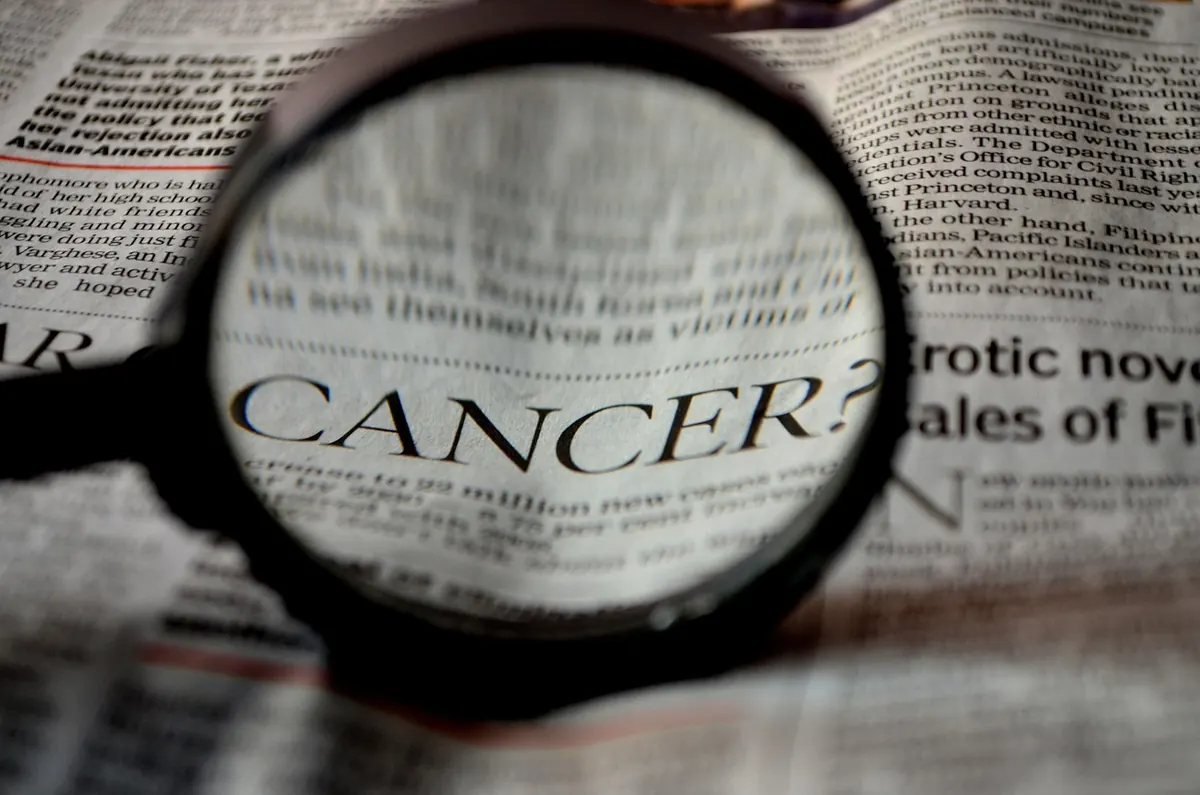
Checklist: 8 Red Flags in a News Story Before You Trust It
A story appears in your feed. It confirms something you already suspected, which is exactly the moment to slow down. Bad information rarely arrives with a warning label. It shows up looking like ordinary news: a headline, a photo, a quote, a share button. Screening takes about a minute once you know what to look for. Below are eight red flags, roughly in the order you will meet them, followed by a checklist you can run before you pass anything along.
Sourcing You Can't Trace
Anonymous sourcing is not automatically a problem. Serious reporters use it when a source faces retaliation for speaking, and they usually explain why the person cannot be named. That explanation is what separates a legitimate article from a red flag.
Watch for attribution so loose that no one is accountable for the claim: sources say, many are saying, it is rumored, critics claim. Ask a single question: how does this writer know? Is there a document, an on-record official, a named organization, a filing, a recording? If every source is anonymous and none of them has a stated reason for staying hidden, keep reading skeptically.
One more tell: anonymous sources who conveniently say precisely what the headline needs them to say, with no small details attached. Real reporting tends to include checkable specifics — where a conversation happened, when, who else was in the room.
Dates, Numbers and Details That Don't Line Up
Dates are the first thing to check and the easiest thing to miss. A piece with no publication date, or one that leans on recently and this week without anchoring either, is hard to place in time. Old stories get reshared as breaking news constantly. A post that went viral years ago can circulate as if it happened this morning. Look for the timestamp on the page itself. If there isn't one, be wary.
Numbers deserve the same treatment. A percentage without a base is decoration. "Reports up 300 percent" means something very different if the total went from one to four. Any claim of a surge needs a place, a period and a source. And notice details that shift inside the same article: a name spelled two ways, a city that changes between paragraphs, a quote that reads slightly differently each time it appears.
The Framing Is Doing the Emotional Work
Read the piece with the adjectives removed. What is left?
Loaded verbs carry a lot of weight: slammed, destroyed, exposed, blasted, demolished. Those words tell you how to feel before you know what happened. That is the mechanism. The feeling arrives first, and the verification never catches up.
A useful test is to notice your own reaction. If you finish the first paragraph feeling furious or vindicated, you have been handled. That does not make the story false. It means it was built to spread.
Another signal is a piece that quotes only people you are meant to distrust, or that makes one side look ridiculous without engaging its strongest argument. Opinion writing is fine when it is labeled as opinion. Opinion writing wearing a news headline is not.
Lookalike Domains and Borrowed Branding
Check the address bar, not the logo. Lookalike sites are built to be skimmed past: an extra word, a hyphen, a misspelling, a different domain ending. Some copy the fonts and layout of a familiar outlet so closely that the only real difference sits in the URL. If the page has no masthead, no staff list and no About section with actual names, treat that as a signal rather than an oversight.
Social media raises the stakes. A verified account with a name almost like a real journalist's, a screenshot of a screenshot, a headline cropped so the logo is cut off — none of it is evidence. A screenshot of a headline is not the headline. Find the original post. If no original exists, you are looking at a rumor with good typography.
A Story That Won't Let You Check It
Well-reported pieces invite verification. They link to the court filing, the report, the full interview, the document being quoted. When an article makes an explosive claim and gives you nothing to click, that is more often deliberate than sloppy.
Then look for a byline. A real author with a history, other published work and some way to be contacted. A missing author, a bio built from stock phrases, or an account created a few weeks ago all belong in your notes.
Finally, test the quotes. Take a distinctive phrase, put it in quotation marks, and search it. If it appears nowhere else — and the piece claims it came from a public speech or a widely covered event — something is wrong. Do the same with images. A reverse image search regularly turns up a photo from an unrelated event years earlier.
The Eight-Point Checklist
- Anonymous or vague sourcing. Nobody named, no reason given for anonymity.
- Missing dates. No timestamp, no clear sense of when this happened.
- Numbers without context. Percentages and totals with no base, period, or source.
- Emotional framing. Loaded verbs and a headline engineered to make you react before you think.
- Headline that outruns the story. The body says "may" or "alleged"; the headline says it happened.
- Suspicious domain. Lookalike spelling, odd ending, or branding lifted from a known outlet.
- No named author, no contact, no corrections. Nobody stands behind the work.
- No path to the original source. No links, no documents, and quotes that exist nowhere else.
What to Do When a Story Fails the Test
Stop before you share. That pause is the whole point of the exercise, and it costs you ten seconds.
If a piece trips three or four of these flags, do not pass it on. If you feel compelled to say something about it, say what you could not verify — "I couldn't find the original" is a perfectly good contribution to a group chat.
Go find the primary source when one exists. Then look for two independent outlets that did their own reporting on the same event, not two sites summarizing each other. When a claim involves health, money or a legal matter, treat social posts and unfamiliar sites as a starting point only and check with a qualified professional before acting on anything.
And if you already shared something that turns out to be false, correct it as plainly as you posted it. No theatrics, no long explanation. Just the correction, in the same place where the mistake went.
Photo: PDPics / Pixabay
Related Articles